The Unexpected Science of Poker Table Felt: How Surface Textures Shape Card Movement and Long-Term Durability in Home Setups
Written by Willa Schröder · May 17, 2026
The Unexpected Science of Poker Table Felt: How Surface Textures Shape Card Movement and Long-Term Durability in Home Setups
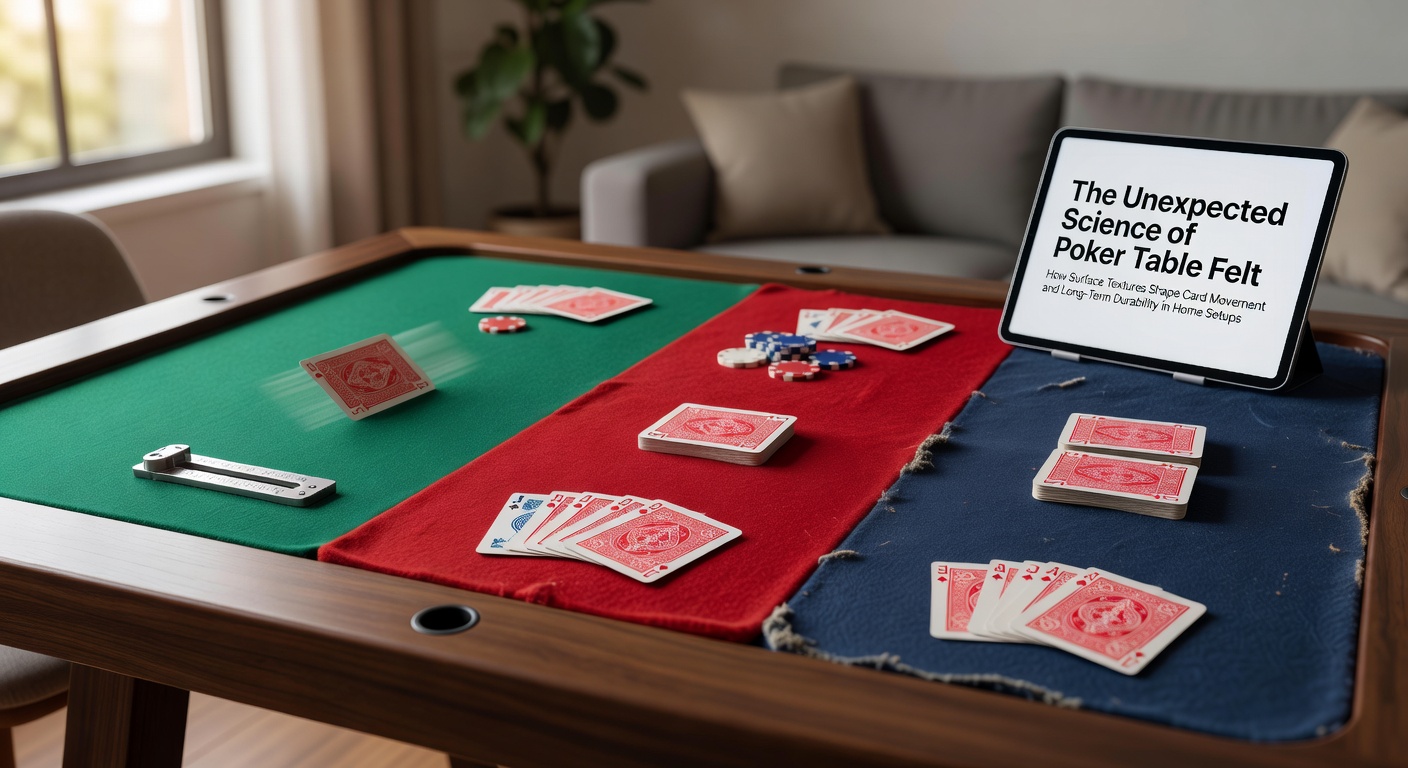
Researchers in materials science continue to examine how the microscopic structure of poker table felt influences both immediate gameplay dynamics and extended product lifespan, particularly in residential environments where usage patterns differ from commercial casinos. Surface textures vary widely depending on whether manufacturers employ wool blends, synthetic polymers, or hybrid constructions, and these choices directly affect friction coefficients that determine how cards slide, stop, and wear over repeated sessions.
Texture Variations and Their Impact on Card Behavior
Studies from textile engineering laboratories show that shorter, denser fiber piles create higher resistance, causing cards to decelerate more rapidly after being dealt or slid across the surface, whereas longer, looser weaves allow greater glide distance before friction halts motion. Observers note that this difference becomes especially pronounced during shuffles and community card reveals, where consistent movement helps maintain game flow without excessive handling that accelerates edge damage. Data collected from controlled abrasion tests indicate that felt with intermediate fiber lengths around 1.5 millimeters often balances smooth card travel with enough grip to prevent unintended drifting when players place bets or stacks chips nearby.
But here's the thing: environmental factors in home setups compound these effects because temperature fluctuations and humidity levels fluctuate more than in climate-controlled venues. Synthetic felts absorb less moisture yet develop static charges that can subtly alter card trajectories, while natural wool blends maintain better stability across seasonal changes yet require more frequent conditioning to preserve original texture. Research conducted at the University of Sydney's Centre for Advanced Materials demonstrates that humidity above 60 percent increases friction on wool-based surfaces by approximately 18 percent compared to dry conditions, a measurable shift that players experience as cards feeling stickier during extended play.
Long-Term Durability Considerations in Residential Use
Long-term wear patterns emerge differently depending on how often home tables see action and what maintenance routines owners follow. Abrasion from repeated card sliding gradually flattens fiber tips, reducing both the distinctive sound and the controlled resistance that many players associate with quality felt. Figures from industry reports compiled by the International Gaming Technology Association reveal that untreated synthetic surfaces typically show visible compression after 150 to 200 hours of use, whereas properly maintained wool blends can retain functional texture for nearly twice that duration under similar conditions.
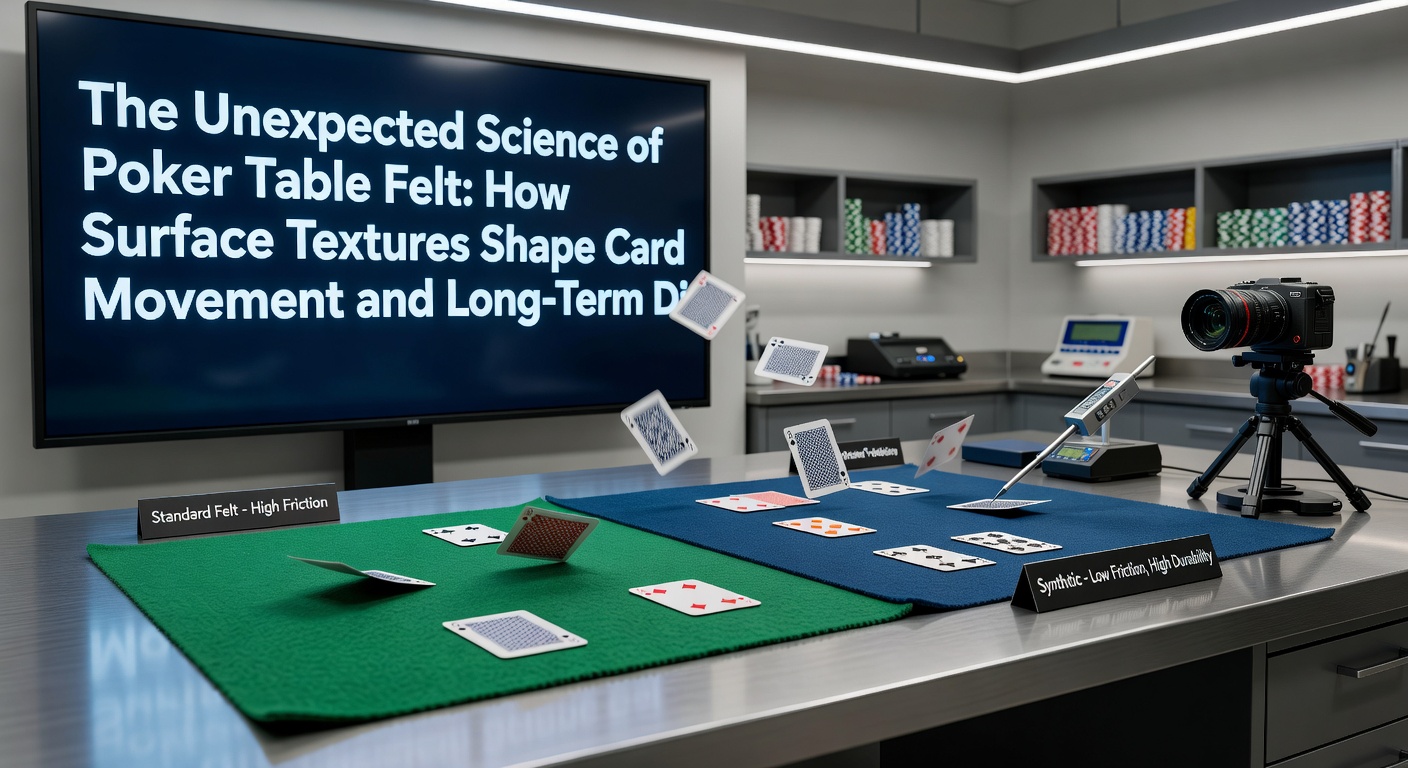
Those who've monitored home poker setups over multiple years find that regular brushing in one consistent direction helps redistribute fibers and delays matting, while rotating the table orientation periodically distributes wear more evenly across the playing area. Chemical cleaners, however, often strip protective treatments and accelerate degradation, especially on dyed surfaces where colorfastness becomes an issue after repeated exposure. Experts recommend vacuuming with low suction and spot treatment using manufacturer-approved solutions to extend service life without compromising the surface characteristics that govern card movement.
Practical Implications for Home Game Arrangements
Home enthusiasts planning setups around events scheduled for May 2026, including regional poker leagues and private tournament circuits, increasingly consult material specifications before purchasing felt because surface performance directly influences both player satisfaction and equipment replacement costs. Thicker felt layers with reinforced backing provide better cushioning against table edges and reduce the likelihood of creasing during storage, yet they also increase overall weight that complicates folding or transport between sessions. Data gathered across multiple North American households indicates that tables used weekly rather than daily experience slower cumulative wear, allowing owners to select mid-range textures without sacrificing longevity.
What's interesting is how small differences in manufacturing processes translate into noticeable gameplay variations over months of use. Precision-cut edges on felt sheets, for instance, prevent fraying that would otherwise create inconsistent zones where cards catch or slide unpredictably. Manufacturers now incorporate antimicrobial treatments into many residential products to address concerns about skin oils and dust accumulation, factors that indirectly affect surface friction as residues build up between cleanings. These treatments show minimal impact on card movement according to tests performed by the Canadian Standards Association for recreational equipment.
Conclusion
Evidence from ongoing materials research and field observations continues to clarify the relationship between felt texture, card dynamics, and durability in home environments. People setting up tables for regular play benefit from understanding these interactions because informed selection reduces both frustration during games and the frequency of replacement purchases. Continued monitoring of product performance, combined with basic maintenance practices, allows residential setups to maintain consistent playing characteristics across extended periods regardless of usage intensity.