The Quiet Mechanics of Sourcing Felt and Foam for Neighborhood League Table Builds
Written by Willa Schröder · Jul 14, 2026
The Quiet Mechanics of Sourcing Felt and Foam for Neighborhood League Table Builds
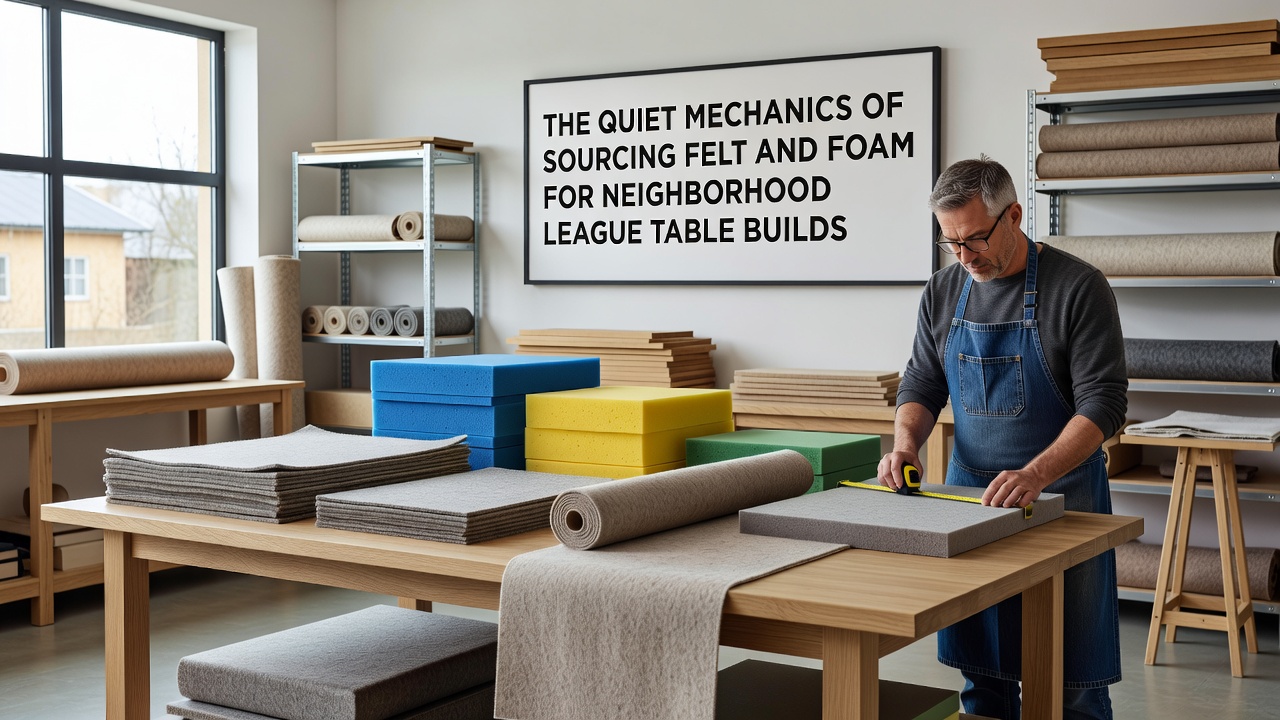
Neighborhood poker leagues rely on consistent table surfaces that support extended play sessions, and the selection of felt along with underlying foam padding forms a foundational element in those builds. Data from regional gaming equipment suppliers indicates that leagues across North America source these materials through a mix of specialized distributors and industrial fabric outlets, with choices often determined by factors such as fiber composition, thickness tolerances, and compression resistance ratings.
Material Specifications in Table Construction
Felt used in poker table surfaces typically consists of either wool blends or synthetic polyester options, where wool variants offer higher friction coefficients that slow card movement during dealing sequences while polyester versions provide greater resistance to staining and easier cleaning protocols. Foam layers placed beneath the felt come in densities ranging from 1.8 to 2.5 pounds per cubic foot, and builders select these based on how well the material maintains flatness under repeated pressure from chips and elbows. Observers note that leagues in urban areas frequently opt for medium-density polyurethane foam because it balances cost with longevity across multiple seasons of weekly tournaments.
Thickness measurements for foam padding usually fall between one-half inch and one inch, and this range allows the surface to absorb minor impacts without creating excessive bounce that could affect card slides. Research from textile testing facilities shows that felt adhesion to foam substrates improves when contact cement is applied in controlled humidity environments, reducing the risk of delamination over time.
Supply Chain Channels for Local Leagues
Procurement often begins with regional fabric warehouses that maintain inventories of gaming-grade textiles, while foam sheets arrive from manufacturers who also serve upholstery and automotive sectors. Those coordinating league table projects report sourcing felt in bulk rolls measuring 60 to 72 inches wide to minimize seams on standard eight-foot table tops. Online industrial suppliers provide cut-to-size options, and delivery timelines average two to three weeks during peak construction periods such as spring league expansions.
Cost structures vary by region, with felt priced per linear yard and foam calculated by square footage. Figures from equipment procurement reports reveal that community groups in the Midwest allocate between $180 and $320 per table surface when ordering through established vendors, whereas coastal leagues sometimes access lower rates through cooperative purchasing agreements with nearby colleges that maintain woodworking programs.
Durability and Compatibility Factors
Long-term performance depends on how felt fibers interact with foam compression under variable room temperatures. Studies conducted by materials engineering departments at Canadian universities have documented that synthetic felt maintains consistent speed characteristics even after 200 hours of simulated play, whereas natural wool blends require occasional brushing to restore texture. Foam that meets flame-retardant standards set by the U.S. Consumer Product Safety Commission reduces liability concerns for public venues hosting league events.
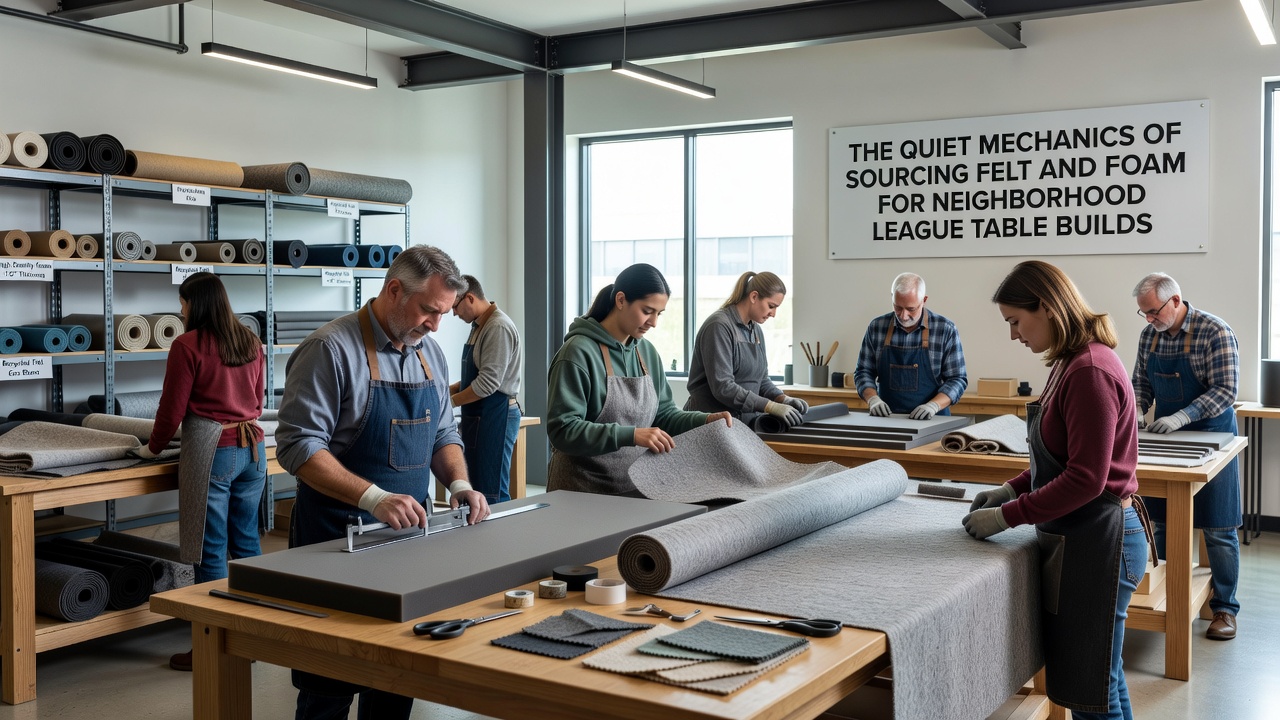
Compatibility between layers also extends to edge finishing techniques. Builders apply vinyl or wooden rails over the felt perimeter, and the foam must compress evenly to prevent gaps that collect debris. Leagues that host events in July 2026 have noted increased demand for moisture-resistant foam formulations because summer humidity levels can affect adhesive bonds in non-climate-controlled spaces.
Regional Sourcing Practices and Standards
Groups in Australia often reference guidelines from the Australian Competition and Consumer Commission when selecting foam products to ensure compliance with chemical emission limits. European leagues draw from textile standards published by the European Committee for Standardization, which specify minimum tensile strength requirements for fabrics used in recreational equipment. These frameworks help neighborhood organizers compare products across international suppliers without relying solely on manufacturer claims.
One documented case involved a Texas-based league that partnered with a local upholstery supplier to obtain remnant foam sections at reduced rates, then matched them with imported speed cloth from a distributor in Nevada. The resulting tables demonstrated consistent play characteristics across twelve months of use, according to internal maintenance logs kept by the league coordinator.
Conclusion
Sourcing felt and foam for neighborhood league tables follows established patterns of material specification, supplier evaluation, and compliance checking that together determine surface quality and service life. Regional variations in pricing, availability, and regulatory requirements continue to shape how groups assemble their equipment, while documented performance data from testing programs and supplier records provide the factual basis for ongoing decisions in community settings.