Examining Durability Factors in Playing Surfaces for Sustained Use in Community Poker Leagues
Written by David Müller · May 19, 2026
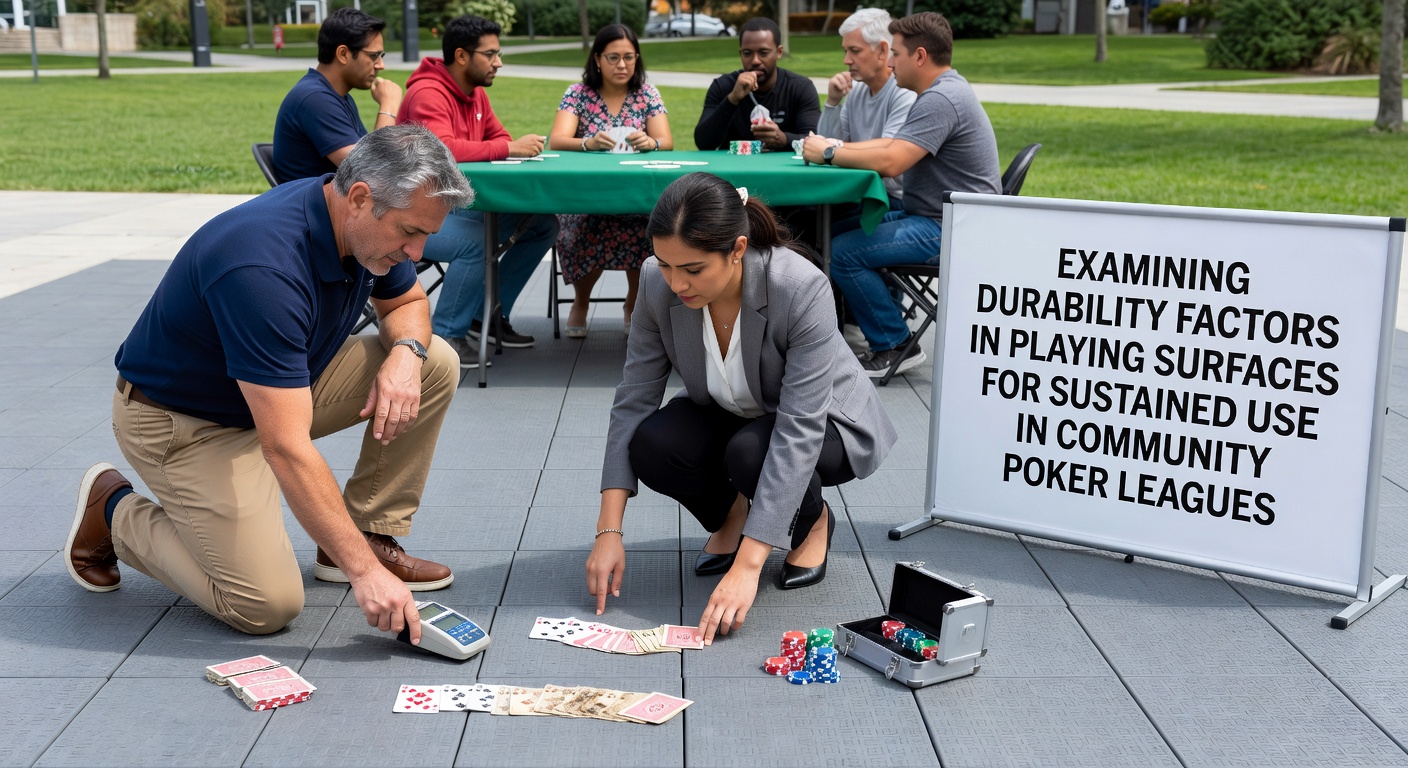
Examining Durability Factors in Playing Surfaces for Sustained Use in Community Poker Leagues
Community poker leagues operate with consistent schedules that place repeated demands on every component of the playing area, and the surfaces beneath the cards receive the most direct stress over time. These surfaces must withstand hours of shuffling, dealing, chip handling and player movement while maintaining consistent friction levels that support fair card movement. Research from materials testing organizations shows that surface composition directly influences how quickly wear patterns develop under high-frequency use, and leagues that track equipment performance across multiple seasons report measurable differences between material types when usage exceeds several hundred hours per year.
Material Composition and Resistance to Abrasion
Playing surfaces for poker leagues typically consist of felt, synthetic blends or hybrid vinyl layers bonded to a stable base, and each option presents distinct durability profiles under sustained conditions. Felt made from wool blends offers a traditional texture that grips cards effectively yet shows thread separation after prolonged contact with rough edges on chips or repeated brushing during cleanings. Synthetic options incorporate polyester fibers treated with protective coatings that reduce fiber loss, and data collected by equipment suppliers indicates these materials retain surface integrity for longer periods when leagues schedule daily or weekly sessions. Hybrid constructions combine a fabric top layer with a resilient backing that absorbs impact from dropped objects, which helps limit the spread of dents or creases across the playing area.
Those who maintain league venues note that abrasion resistance becomes critical once events run for extended periods without surface rotation or replacement. Accelerated wear tests conducted by independent laboratories demonstrate that surfaces with higher thread density and specialized coatings experience up to thirty percent less visible degradation after equivalent hours of simulated play compared with untreated materials. Leagues preparing for expanded calendars in May 2026 have begun incorporating these test results into purchasing decisions to reduce mid-season interruptions.
Environmental Influences on Surface Longevity
Temperature fluctuations and humidity levels affect how playing surfaces age, particularly in community spaces that lack dedicated climate control. Excess moisture can cause backing materials to delaminate while low humidity increases static that interferes with card handling. Facilities located in regions with pronounced seasonal changes often install surfaces treated with moisture-resistant sealants, and maintenance logs from multiple leagues reveal that such treatments extend usable life by several months when applied consistently. Sunlight exposure through windows accelerates fading in untreated fabrics, which in turn alters the visual contrast players rely on during extended sessions.
Observers who monitor equipment across different venues report that surfaces positioned away from direct light sources maintain color and texture longer, reducing the frequency of full replacements. Proper ventilation also limits the accumulation of oils from skin contact that gradually embed into fibers and create slippery zones over time. These environmental factors combine with usage intensity to determine replacement cycles, and leagues that document conditions alongside wear patterns achieve more predictable budgeting for upkeep.
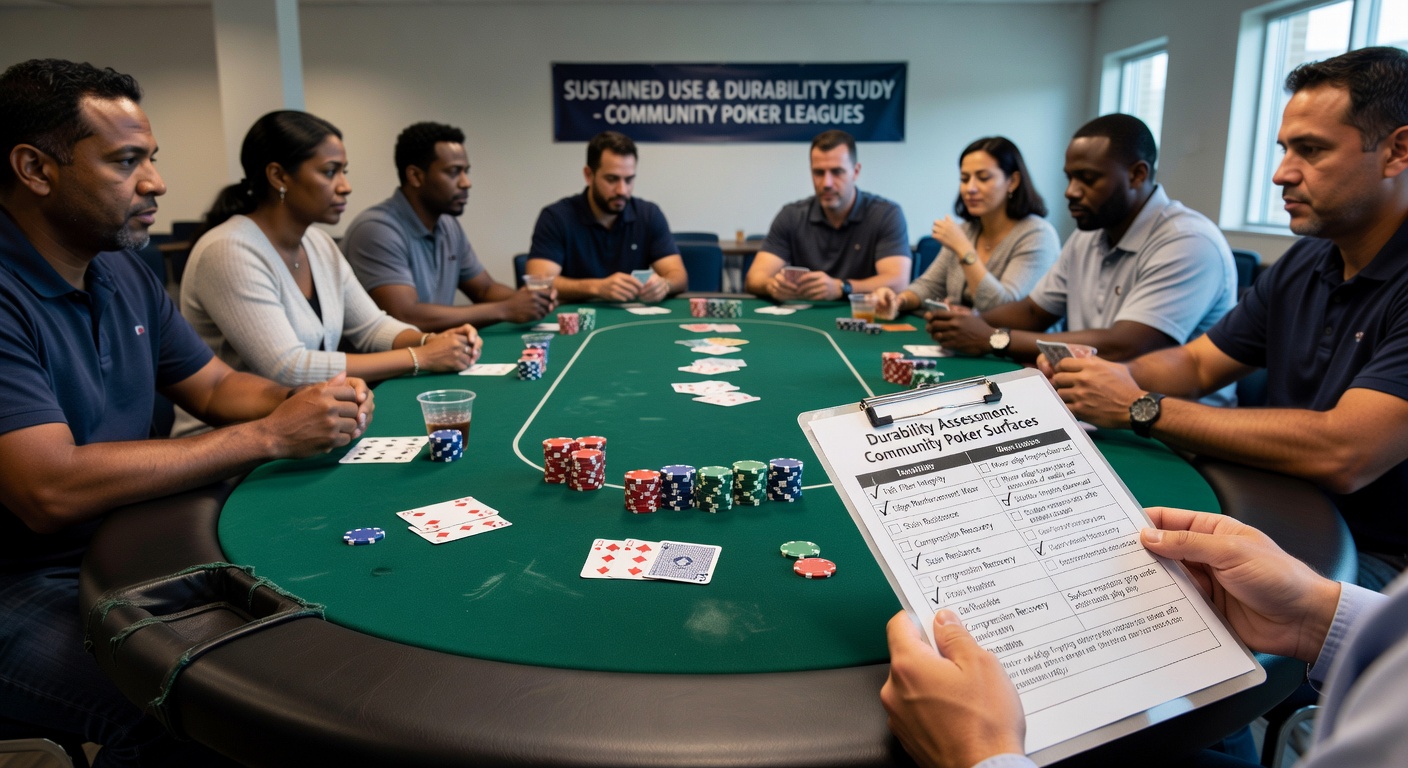
Maintenance Practices That Extend Service Life
Regular cleaning routines play a central role in preserving surface performance, yet the methods employed determine whether maintenance helps or harms longevity. Vacuuming with soft attachments removes debris without pulling fibers, while spot treatments using approved solutions prevent chemical breakdown of coatings. Leagues that rotate multiple table surfaces between events allow each one adequate recovery time between intensive uses, and this approach has shown measurable reductions in localized wear according to records kept by recreational gaming associations.
Application of protective sprays at scheduled intervals creates a barrier against stains and friction damage, and facilities following manufacturer guidelines report fewer instances of premature replacement. Training for volunteer staff ensures consistent application techniques that avoid over-saturation, which can otherwise weaken adhesives beneath the playing layer. These practices become especially relevant as leagues scale operations ahead of peak periods such as the series of regional qualifiers planned for May 2026.
Usage Patterns and Load Distribution
The frequency and intensity of league play directly influence how quickly any surface reaches the end of its functional lifespan. Tables used for eight-hour tournaments multiple times per week accumulate stress in concentrated zones near the dealer position and common chip-handling areas. Data compiled by industry groups tracking recreational facilities shows that even distribution of player seating across several tables reduces concentrated pressure points and supports more uniform wear. Some leagues implement rotation schedules that move high-traffic positions, thereby balancing degradation across the entire surface.
Equipment tracking systems now allow organizers to log hours of use per table, providing objective benchmarks for when resurfacing becomes necessary. These records help avoid unexpected downtime during critical tournament windows and support more accurate forecasting of material costs over multiple seasons. Researchers examining similar high-use recreational environments have documented comparable patterns in other tabletop activities, confirming that proactive load management extends service intervals across varied surface types.
Conclusion
Durability in community poker league surfaces emerges from the interaction of material selection, environmental management, maintenance consistency and usage distribution. Organizations that monitor these elements through systematic record-keeping achieve longer intervals between replacements while preserving consistent playing conditions. As leagues continue to expand schedules and participant numbers, attention to these factors supports reliable operations without compromising the integrity of the game itself.