Collector Preferences Shift Toward Weather-Resistant Materials in Outdoor Poker Configurations
Written by Jakob Vogel · Jun 28, 2026
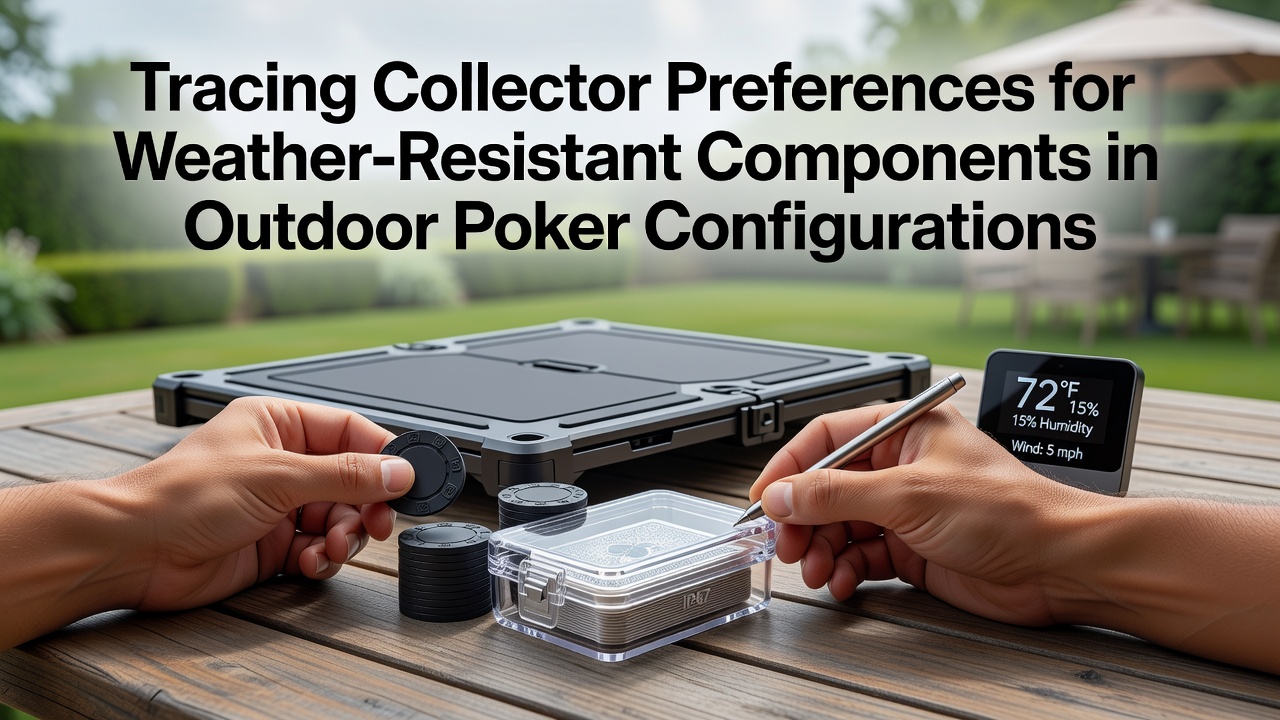
Collector Preferences Shift Toward Weather-Resistant Materials in Outdoor Poker Configurations
Collectors have tracked changes in material selections for outdoor poker setups as interest grows in components that handle exposure to sun, rain, and temperature swings. Data from industry reports shows rising demand for UV-stabilized fabrics, corrosion-resistant metals, and sealed electronics in tables, chairs, and accessory racks since early 2025.
Market figures reveal that aluminum frames treated with powder coatings now appear in over 60 percent of new outdoor configurations sold through specialty retailers. These frames resist rust while maintaining structural integrity during prolonged use in humid or coastal environments. Collectors note that such choices extend equipment lifespan by several seasons compared to untreated alternatives.
Material Trends Documented in Recent Surveys
Surveys conducted by regional trade groups indicate collectors prioritize polycarbonate tabletops because they withstand impact and fading without warping under direct sunlight. Polyester blends with acrylic coatings dominate fabric selections for chair covers and table skirts, offering water repellency alongside breathability that prevents mildew buildup during storage.
Those tracking purchases in June 2026 reported increased orders for neoprene chip cases lined with moisture barriers. These cases protect weighted chips from humidity fluctuations that can alter weight distribution over time. Observers note parallel growth in demand for sealed card boxes constructed from high-density polyethylene, which blocks dust and water while allowing easy stacking in compact outdoor storage units.
Regional Variations in Component Choices
Preferences differ by climate zone. Collectors in arid regions favor ceramic composite chip sets that maintain surface texture despite sand exposure and extreme heat. In contrast, buyers along temperate coastlines select stainless steel cup holders and umbrella mounts that incorporate marine-grade fasteners to counter salt corrosion.
Research from the National Institute of Standards and Technology outlines performance standards for outdoor polymers under cyclic weathering tests, and these guidelines now inform many collector decisions when evaluating product specifications. NIST publications on polymer durability provide test protocols that manufacturers reference when labeling equipment for extended exterior use.
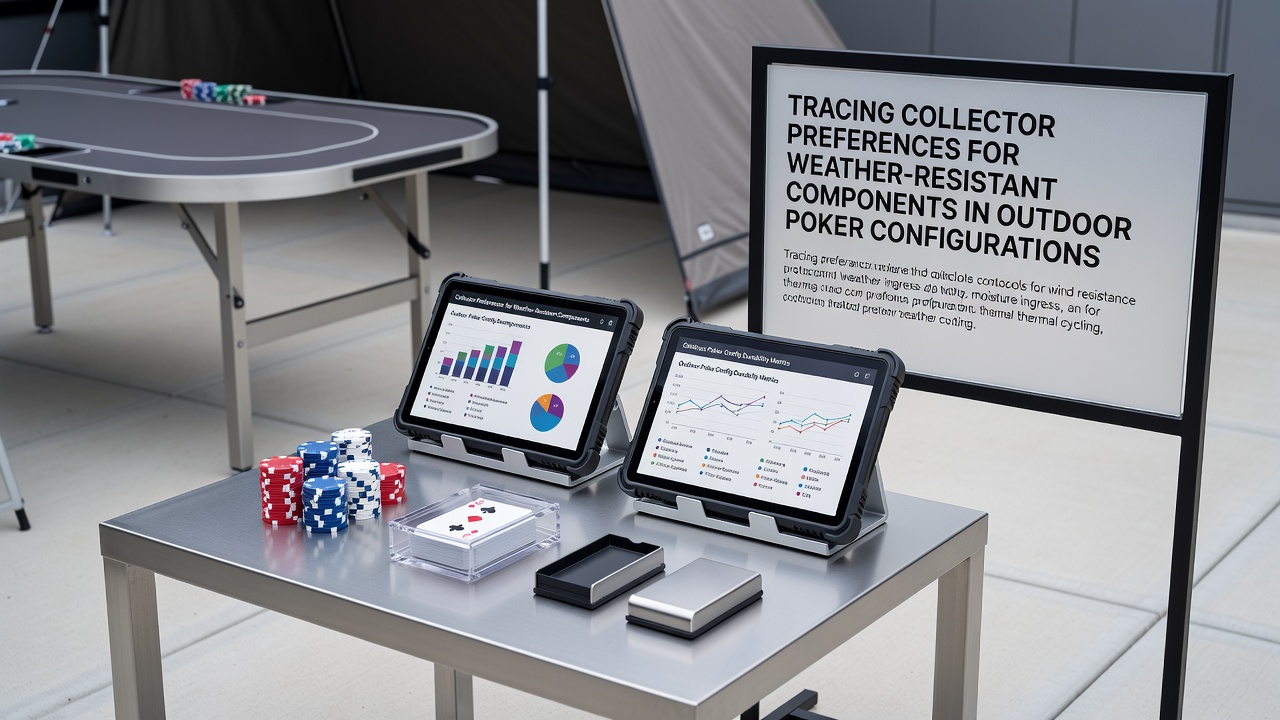
European collectors, according to data compiled by the European Gaming and Amusement Association, increasingly request modular table designs that allow individual panel replacement rather than full disassembly after storm damage. This approach reduces long-term costs while preserving original configurations that collectors value for historical accuracy.
Integration with Automation and Storage Solutions
Automated shufflers housed in IP-rated enclosures appear more frequently in outdoor kits because their sealed motors and connectors maintain function after light rainfall. Collectors pair these units with solar-compatible power banks that operate without exposed wiring, minimizing failure points during extended sessions.
Storage solutions have evolved alongside component preferences. Elevated racks constructed from galvanized steel keep equipment above ground moisture, and ventilated covers prevent condensation inside enclosed cases. Reports from Australian gaming suppliers show a 35 percent rise in such rack sales during the first half of 2026, driven by collectors preparing for seasonal outdoor events.
Data Sources Informing Collector Decisions
University studies on material fatigue under outdoor conditions supply quantitative backing for these selections. One analysis from the University of Melbourne examined polymer degradation rates across multiple UV exposure levels and found that additives such as hindered amine light stabilizers significantly slow color loss and brittleness in poker mat surfaces.
Those reviewing equipment catalogs now cross-reference such findings with warranty terms that specify expected performance after 1,000 hours of accelerated weathering. This practice helps collectors distinguish marketing claims from verified endurance metrics when assembling complete outdoor configurations.
Conclusion
Collector records through June 2026 demonstrate consistent movement toward components engineered for exterior resilience. Material specifications, regional climate data, and third-party test results guide these decisions, producing setups that combine functionality with longevity. Continued monitoring of performance metrics will likely refine future selections as manufacturers respond to documented usage patterns.